 New York Drain Cleaner
Call 24/7 · (844) 923-3233
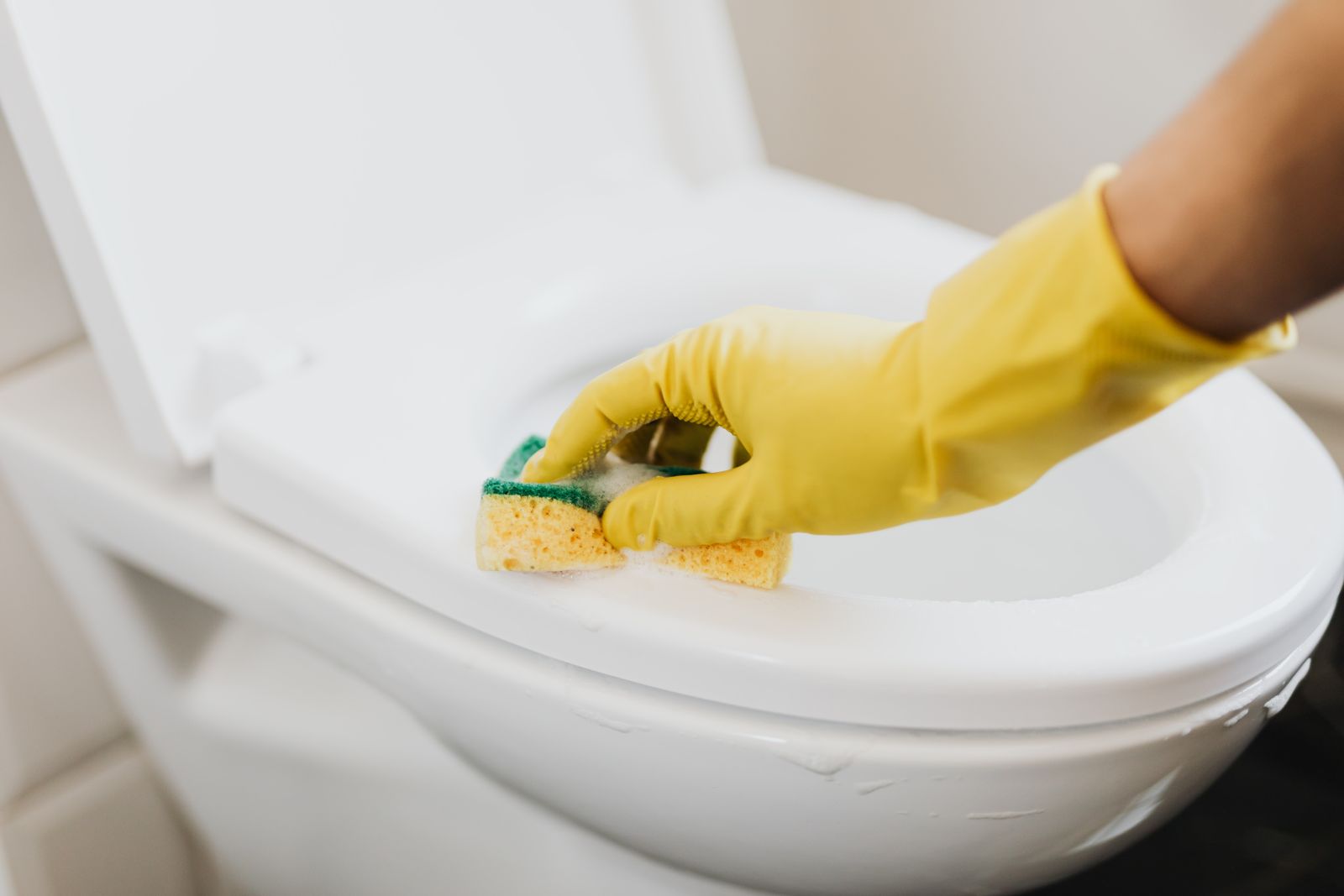
Clogged Toilet Services in New York
We connect callers across New York with independent crews for clogged toilet services. A clogged toilet is usually a local problem you can fix with a plunger. A toilet that clogs along with other fixtures, or keeps clogging, is telling you something about the line behind it. Here is how to tell which you have.
Clogged Toilet Services in New York: Why toilets clog
A toilet has a narrow trapway built into the bowl. Too much paper, a child’s toy, a wipe or a feminine product can block it. Low-flow toilets move less water and leave less margin.
A single event is usually that. A pattern of clogs suggests something further down the line.
What to do first
Do not flush again. If the bowl is near full, wait. Put on gloves, use a flange plunger with a good seal, and pump firmly for twenty seconds. The water should drop and drain.
If the bowl fills as you plunge, stop. Water may be backing up from the line.
A closet auger
A closet auger is a short cable with a curved end that goes into the trapway. It can hook a stuck object or break up paper. Use it gently so it does not scratch the porcelain.
If neither the plunger nor the auger works, the blockage is past the toilet.
When it is the line, not the toilet
If other fixtures are slow, if the toilet gurgles when you run water elsewhere, or if a floor drain is wet, the line is partly blocked. Plunging will not fix that.
The lowest toilet in the house is often the first to show the main line clog.
Objects and the closet flange
A child’s toy or a hairbrush can lodge in the trap. A technician may need to pull the toilet to remove it. That also lets them check the closet flange and the wax ring.
If the toilet rocks or leaks at the base, tell the technician. It is a separate problem.
Old houses, old lines
In older houses, the line from the toilet to the main is often cast iron or clay with a rough interior, and paper catches on it. A house trap or a belly in the line can be the cause.
A camera shows what is happening.
Cesspool and septic homes
A toilet that clogs and drains slowly in a home on a cesspool or septic may point to a full system. Clearing the line first tells you whether it is the line.
Pumping and system work are for a cesspool or septic contractor.
What not to flush
Wipes, even ones labelled flushable, paper towels, feminine products, cotton and dental floss. Anything but toilet paper and waste.
These cause most toilet clogs and many main-line ones.
Safety and hygiene
Toilet water carries waste. Wear gloves, and wash hands and tools afterwards. Keep children and pets away from overflow. If water reaches outlets or appliances, stay clear.
If a toilet overflows and will not stop, turn off the shutoff valve behind it.
What a visit costs and takes
A toilet clog is one of the shorter jobs, unless the line is the problem. The cost depends on the access, the tools and whether a camera is used.
The crew we connect you with gives you the price before work begins, and there are no hidden fees.
Low-flow toilets
Toilets made since the 1990s use less water per flush. They work well when the trapway is clear and when you use a reasonable amount of paper. They have less margin when the line is partly blocked.
If a low-flow toilet clogs repeatedly, a camera look at the line may show why.
Pressure-assist and wall-hung toilets
Pressure-assist toilets use compressed air to flush and can clear more than a gravity toilet. Wall-hung toilets hide the tank in the wall; the trapway is the same but access is harder.
These need a technician who knows them. Tell us what type you have.
Flanges, wax rings and leaks
The toilet sits on a flange that connects to the drain. A wax ring seals the joint. If the toilet rocks or water appears at the base, the seal has failed.
A clog can strain the seal. A technician who pulls a toilet to clear it will check the flange and reset the ring.
The lowest toilet in the house
The toilet at the lowest level is the first to show a main-line clog. Water rises in it when a fixture upstairs drains, or when the washer runs. If this happens, stop using the fixtures and call.
A plunger will not fix a main-line clog and may push dirty water onto the floor.
Septic and cesspool toilets
Toilets on a cesspool or septic system should handle only toilet paper and waste. Wipes and feminine products do not break down and can clog the system as well as the line.
If toilets drain slowly and other fixtures do too, it may be the system. A technician can clear the line and check.
When to turn off the water
Behind the toilet is a shutoff valve. Turn it clockwise to stop the tank refilling. If a toilet is overflowing, lift the tank lid and press the flapper down, or close the valve.
Doing this buys time while you wait for help.
After the toilet is cleared
Flush once and watch. Run the tub and the sink and listen for gurgling. If anything is wrong, tell the technician before they go. Ask what caused the clog.
If it was an object, you now know. If it was the line, ask about a camera look.
Why paper causes problems
Modern toilet paper is made to break down, but thick or multi-ply paper, in large amounts, can overwhelm a low-flow toilet. Flushing in two goes helps.
Paper towels, tissues and wipes do not break down as quickly and are a common cause.
Septic tanks and wipes
Wipes labelled flushable do not behave like paper. In a septic system they collect in the tank and in the line. In sewer systems they cause blockages in municipal pipes.
The simple rule is to put them in the trash.
Pregnancy, children and accessibility
Households with young children see more objects in toilets. Toys, cloths and cotton balls are frequent. A child-safe lid and a rule help.
If a person with limited mobility lives in the house, reliable toilet function matters more. Call early rather than late.
Hotels, rentals and guests
Guests may not know your toilet’s limits. A sign saying only paper and waste go in the toilet helps. In rentals, a note in the lease or the welcome book is useful.
These steps prevent many calls.
Toilets that clear then clog again
A toilet that works for a day and clogs again suggests a partial blockage beyond the bowl. A cable through the toilet or a cleanout reaches it. A camera shows what is there.
If you have had this twice, ask for a camera look.
A calm sequence for a clog
Stop the flush. Put on gloves. Plunge with a flange plunger. If the water drops, flush once. If it does not, try again. If the bowl fills, stop and turn off the valve.
This sequence solves most simple clogs. It also tells you when the problem is bigger.
Two toilets in the house
If you have two toilets and only one clogs, the problem is local. If both clog or run slow, the line is shared. Describe which and when.
This helps the technician decide whether to start at the toilet or at the cleanout.
Toilet noises and what they mean
A bubble from the bowl when another fixture drains means air is pushed through the trap. A hiss or a gurgle in the wall points to a vent problem. A deep rumble in the cellar can mean a house trap or the main line.
These noises are clues. Share them on the phone.
Plunging the right way
A flange plunger, with the extra cup that fits into the bowl outlet, works better than a flat sink plunger. Make sure the plunger is covered by water, seal the outlet and push down and up in steady strokes without lifting. Several tries are normal.
If the bowl rises toward the rim, stop flushing, and close the supply valve behind the toilet if needed.
When it is not just the toilet
If a second toilet, a tub or a floor drain gurgles or backs up when you flush, the clog is probably in the main line, not the toilet. Plunging will not help, and each flush sends more water toward the low point.
Stop using water and call, and tell the dispatcher which fixtures are affected.
Toilet won’t clear?
Tell us whether other fixtures are slow and how often it happens. A local crew can clear the line.
Common questions
Why does my toilet keep clogging?
Too much paper, low-flow design, or a partial blockage in the line behind it.
Can I use a plunger for clogged toilet?
Yes, a flange plunger with a good seal.
Should I use a chemical cleaner?
We advise against it. It rarely clears a toilet and can splash.
The toilet gurgles when I run water. Why?
Air is struggling past a blockage in the line.
Is it the main line for clogged toilet?
If other fixtures are slow, or a floor drain is wet, yes.
What if a child flushed a toy?
Stop using the toilet. A technician may need to pull it.
What should I not flush?
Anything but toilet paper and waste.
Is it an emergency for clogged toilet?
If it is overflowing and will not stop, shut the valve behind it and call.