 New York Drain Cleaner
Call 24/7 · (844) 923-3233
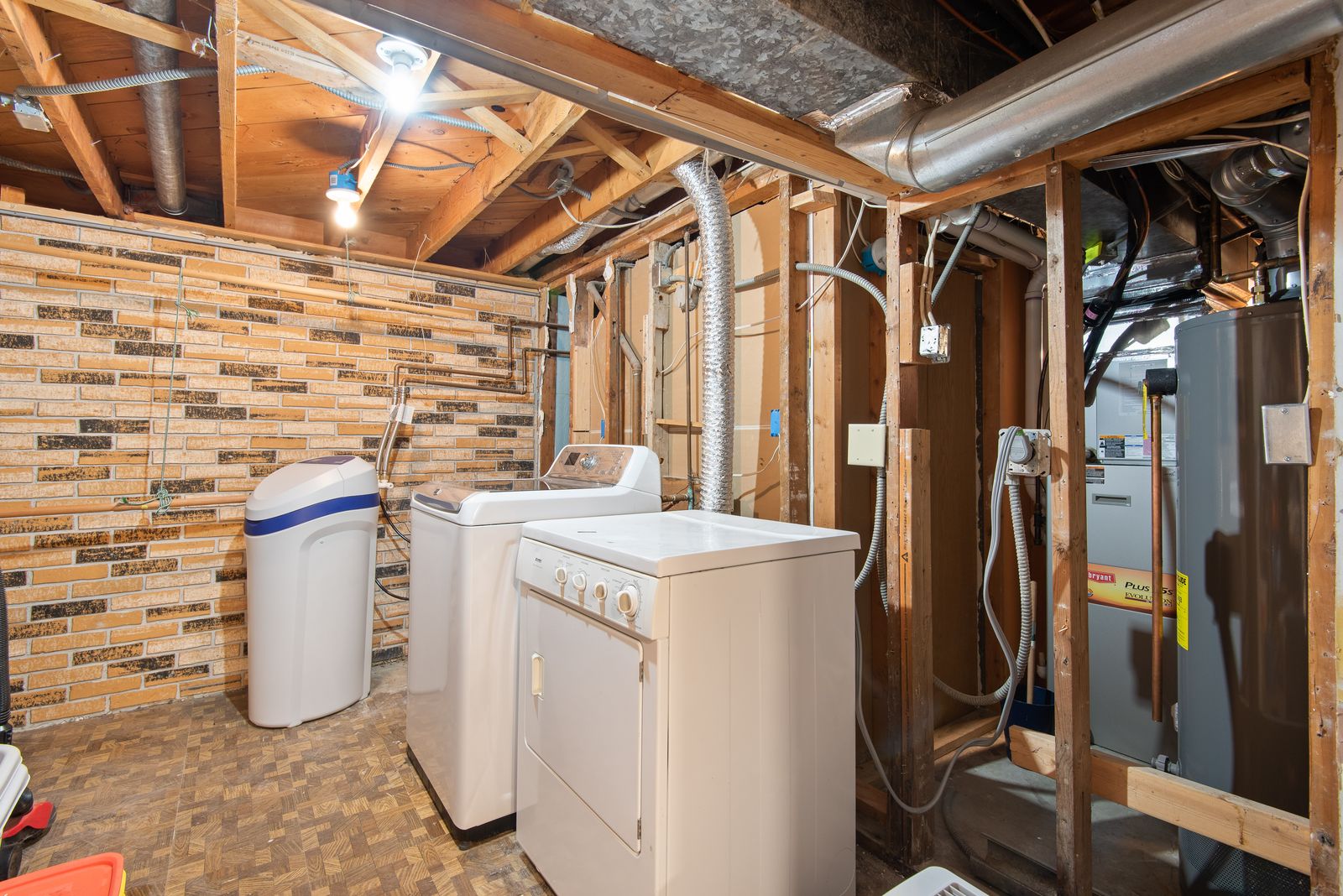
Laundry Drain Clog Services in New York
We connect callers across New York with independent crews for laundry drain clog services. A washing machine pumps a lot of water in a short time. If the drain behind it is partly blocked, the standpipe overflows or the floor drain fills. Here is how laundry lines clog and how to clear them.
Laundry Drain Clog Services in New York: How laundry lines clog
Lint, detergent, fabric softener and grease from clothing build up on the walls of the drain. Lint escapes the washer’s filter and clings to the soap film. Over time, the line narrows.
The pump moves water fast, so even a partly blocked line overflows during the drain cycle.
The standpipe
The washer hose goes into a vertical pipe with a trap below it. If water rises in the standpipe or spills over, the line is slow. Loose hoses and a poor fit can also cause a spill.
Check that the hose is secure and that nothing blocks the standpipe.
Laundry sinks and floor drains
In basements, a laundry sink and a floor drain often share the line with the washer. If the sink fills when the washer drains, or a floor drain bubbles, the blockage is past where they join.
This often means the main or building drain, not just the laundry branch.
What the technician does
A cable machine goes through the standpipe, the trap or a cleanout. Lint and soap come out in a mat. Water is run through the washer to confirm.
If the line returns to trouble, a camera shows why.
Signs it is the main line
If the toilet gurgles when the washer runs, if the tub backs up, or if the floor drain fills, the blockage is in the main. The washer is only the largest flow that reveals it.
Tell the technician that the problem shows up with the washer.
What not to do
Do not run the washer repeatedly while it is overflowing. Do not use chemical cleaner in a standpipe. Do not push the hose deep into the standpipe; it needs an air gap.
Stop the washer and call.
Lint filters and habits
A lint trap on the washer discharge hose catches much of what would go down the drain. Use less detergent and softener. Clean the washer filter if it has one.
These habits cost little and help.
Cesspool and septic homes
A washer sends a lot of water to a cesspool in a short time. A system close to full may struggle with it. Spreading loads over the week helps.
If the line is clear and the problem remains, a cesspool or septic contractor can check the system.
Apartments and shared laundry
In buildings with shared laundry rooms, the drain serves many households. A clog is a building matter. Tell the super.
The technician coordinates with them for access.
What a visit costs and takes
A laundry line clear is a modest job. The cost depends on the access, the tools and whether a camera is used.
The crew we connect you with gives you the price before work begins, and there are no hidden fees.
Standpipe height and hose fit
A standpipe should be a certain height above the trap and the hose should sit loosely in it, leaving an air gap. If the hose is pushed all the way down and sealed, the washer can siphon or back up. A standpipe too short can overflow in a normal cycle.
The technician can check these. Often a small adjustment makes the difference.
Utility sinks and washer boxes
A laundry sink next to the washer usually shares the washer’s trap and line. Water from the washer can come up through it if the line is slow. A recessed washer box in the wall has a built-in standpipe and valve.
Tell the technician what you have. Different setups need different access.
Basement laundry and floor drains
In the basement, the washer often drains into a standpipe near a floor drain. Both feed the same line. If the floor drain gurgles when the washer runs, the line is partly blocked.
This is the most common way people first learn they have a main-line problem.
Lint, fabric softener and detergent
Lint passes through the washer’s filter and clings to soap film in the pipe. Fabric softener leaves waxy residue. Too much detergent adds suds and residue.
Use the recommended amount. Clean the washer filter. Fit a lint trap on the hose.
Wipes, rags and pet hair
Items that come out of pockets, pet blankets and rags shed fibre that wads in the line. Heavy loads like towels and bedding shed lint. A rug washed in a machine can shed a lot.
These things are not a problem in a clean line. In a partly blocked one they are enough to stop it.
Slab houses and underfloor lines
Many houses have the laundry on a slab with the line running below it. Access is limited to a cleanout or the standpipe. A camera is especially helpful because digging is not an option.
The technician will plan the approach based on the layout.
Washing in apartments and condos
Some buildings allow washers in units; some have only shared laundry rooms. The drain for a unit washer joins the shared stack. A clog can affect units below.
Tell the super as well as us.
Detergent suds and high-efficiency washers
High-efficiency washers use less water and a specific detergent. Regular detergent causes too many suds, which can push out of the standpipe or confuse the sensors. More soap means more residue in the line.
Use the type your washer specifies, and the amount shown.
Washers on upper floors
A washer on an upper floor sends its water through a longer run of pipe. If the line is partly blocked, water can overflow at a fixture lower down, such as a first-floor sink or a basement drain.
Tell the technician where the washer is. It helps trace where the problem sits.
Laundry in garages and outbuildings
Washers in garages and sheds often drain through small lines to a shared connection. The pipe may be exposed to cold. A frozen line looks like a clog.
If you suspect a freeze, call, and avoid using the washer until it is clear.
Water use and timing
Doing several loads in a row sends a continuous flow into the line. A line that is nearly full may cope with one load but fail on the third. Spacing loads out helps while you wait for a technician.
It is a stopgap, not a cure.
Spotting early trouble
Signs include water that lingers in the standpipe, a gurgle from a nearby drain during the drain cycle, and a faint smell. They are easy to ignore and cheap to fix when found early.
If you see them, call before the line stops.
What to expect afterward
After the line is cleared, run a full wash cycle and watch the standpipe. Check nearby drains for gurgling. Ask the technician what the camera showed and whether the line is likely to return.
If it does within weeks, call again. It means the cause was not fully removed.
Hoses, valves and the washer itself
A loose or kinked drain hose can overflow without any clog. A failing pump in the washer can drain slowly. If the washer shows an error about draining, check these first.
If the standpipe fills and the drain line is slow, the line is the issue. A technician can tell.
Quick stop-gap steps
Stop the washer. Move the hose to a utility sink, a tub or a bucket if you can, to finish the load. Avoid running multiple loads until the line is cleared.
These steps limit the mess. They do not replace clearing the line.
Cleaning up after a laundry overflow
Water from a washer is usually grey water, but if it came through a floor drain it may include waste. Dry the area quickly, wash the floor with a disinfectant, and ventilate.
If a lot of water got out, a restoration company can help with drying.
Lint, detergent and the standpipe
Laundry water carries lint, detergent residue and fibre, and a standpipe takes a lot of water at speed. Lint builds on rough pipe walls and bonds with soap scum. A lint trap on the machine hose helps, and cleaning it regularly keeps the line freer.
If the standpipe overflows during the drain cycle, stop the machine. A line that cannot take the flow will back up into the laundry area.
Basement laundry and the main line
In many houses the washer drains to the same line as the floor drain and the main. If the washer backs up, a floor drain nearby may overflow too, and the cause may be the main line, not the washer branch.
Tell the technician where the washer sits and which drains react when it runs.
Washer overflowing?
Tell us where the water comes up. A local crew can clear the line.
Common questions
Why does my washer standpipe overflow?
The drain behind it is partly blocked and the pump moves water faster than it clears.
Is it the main line for laundry drain clog?
If other fixtures are affected or a floor drain fills, yes.
Can I clear it myself for laundry drain clog?
Not reliably. A cable machine is needed.
Will chemical cleaner help for laundry drain clog?
We advise against it.
Does lint cause this?
Yes, with soap film it forms a mat on the pipe wall.
What about my cesspool?
A full system can struggle with the washer’s volume. A technician clears the line first.
Should I stop using the washer?
Yes, until the line is cleared.
Will it come back for laundry drain clog?
Lint and soap return. Habits and a lint filter help.